



When it comes to clothing storage, finding the right solution can transform cluttered closets, drawers, and living spaces into organized, tidy areas. There are various storage methods available on the market, each with its own unique characteristics, advantages, and limitations. Below are the most common options, including different types of storage boxes and alternative solutions, along with in-depth analysis of their pros and cons, to help you find the perfect fit for your lifestyle, space, and clothing storage needs.
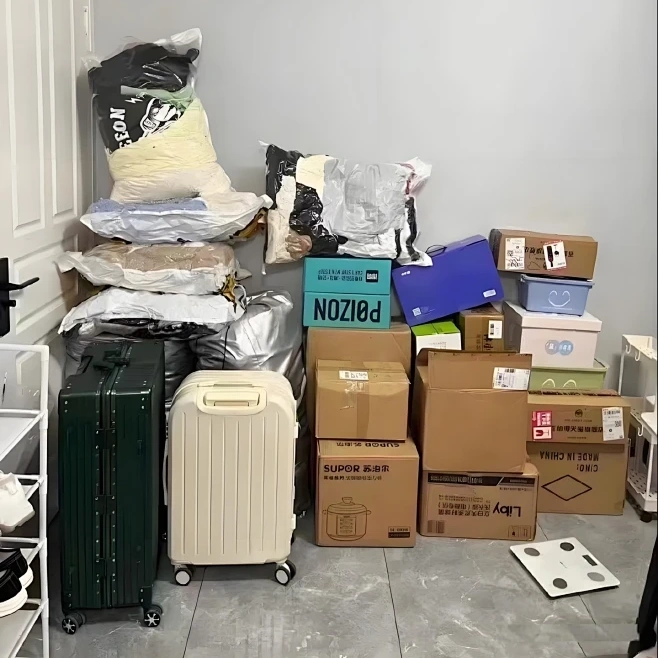
Cardboard Box for Temporary Clothing Storage
Cardboard boxes are one of the most widely used temporary clothing storage solutions, and their popularity stems largely from their accessibility and affordability. Easily obtainable from supermarkets, online shopping deliveries, or local stores (often for free or at a very low cost), cardboard boxes are lightweight, making them easy to carry, move, and arrange even when filled with clothes. Additionally, they are environmentally friendly-most cardboard boxes are made from recycled materials and can be recycled again after use, aligning with the concept of sustainable living. Another practical advantage is their customizable nature: you can easily cut out windows for visibility, label them with markers to identify contents, or even reinforce them with tape for slightly better durability.
However, as a temporary storage option, cardboard boxes have notable drawbacks that limit their long-term or high-demand use. Durability is their biggest weakness-cardboard is inherently fragile, prone to tearing or collapsing when exposed to even minimal moisture (such as in basements, garages, or humid climates), which can lead to mold growth on clothes inside. They also cannot withstand heavy loads; stacking multiple filled cardboard boxes often results in the bottom boxes being crushed, risking damage to the clothing inside. Furthermore, cardboard lacks breathability compared to other materials, which may cause odors to accumulate if clothes are stored for an extended period. Cardboard boxes are best suited for short-term storage of less valuable clothes, such as old clothes waiting to be donated, out-of-season items stored in dry, indoor spaces (like a closet or attic), or temporary storage during moves or home renovations. They are not recommended for storing delicate, expensive, or moisture-sensitive garments (such as wool sweaters or silk dresses) or for long-term use in less controlled environments.
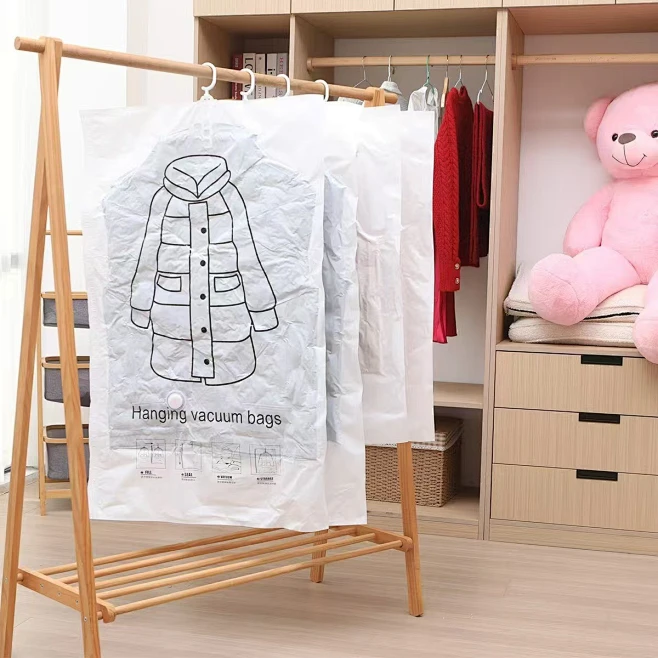
Vacuum Bag: Not a Traditional Storage Box but a Space-Saving Choice
Vacuum bags are a revolutionary space-saving solution, though they are not traditional storage boxes. Designed to compress clothing by removing air through a vacuum cleaner or hand pump, they can reduce the volume of clothes by up to 70%, making them an excellent choice for maximizing storage space. This compression feature is particularly beneficial for bulky items like down jackets, quilts, thick sweaters, and winter coats, which typically take up large amounts of closet or drawer space. Vacuum bags also offer basic protection against dust, dirt, and insect infestations, as the airtight seal prevents external contaminants from reaching the clothing inside. They are lightweight, easy to use, and come in various sizes, from small bags for socks and underwear to extra-large ones for blankets and coats.
Despite their space-saving advantages, vacuum bags have significant limitations that prevent them from replacing sturdy storage boxes. First, they provide almost no protection against physical damage-vacuum-sealed bags are thin and easily punctured by sharp objects (such as zippers, buttons, or hangers), which can break the seal and render the compression useless. Second, they cannot be stacked easily; the soft, flexible material of the bags causes them to shift or collapse when stacked, leading to disorganized storage. Additionally, long-term compression can damage certain types of clothing: delicate fabrics like cashmere, wool, or lace may lose their shape, elasticity, or softness after being compressed for months, as the fibers are forced into a tight, fixed position. Vacuum bags also require careful handling during the sealing process-any wrinkles or debris in the seal can cause air leakage, resulting in the bag re-inflating over time. For optimal use, vacuum bags work best when paired with a storage box: the bag compresses the clothing to save space, while the box provides structural support, prevents physical damage, and allows for easy stacking. They are ideal for storing seasonal items that are not frequently used, but should be avoided for delicate or high-value garments that require proper ventilation and shape retention.
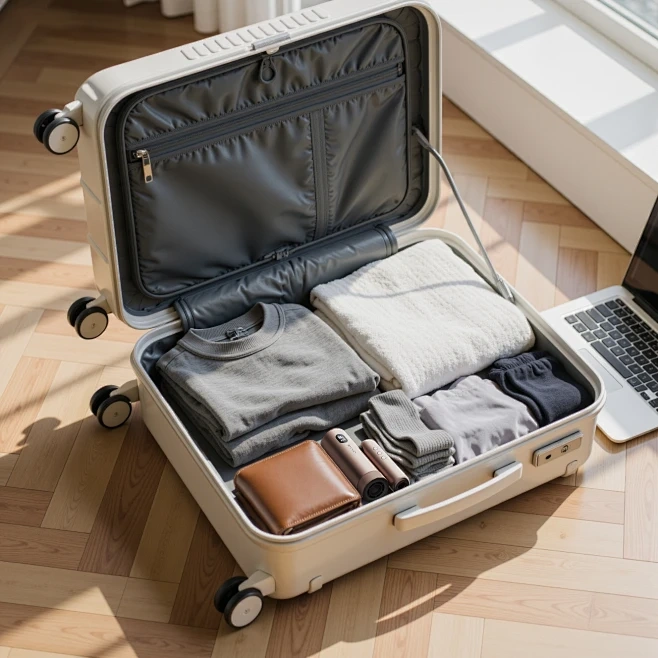
Luggage as a Portable Storage Box Alternative
Luggage, originally designed for travel, can serve as a practical alternative to traditional storage boxes, especially for those who need portable storage solutions. One of the biggest advantages of using luggage for clothing storage is its built-in organizational features-most suitcases and travel bags come with multiple compartments, zippered pockets, and dividers, making it easy to classify and separate different types of clothes (such as shirts, pants, and undergarments). Luggage is also highly portable, equipped with wheels and telescopic handles that allow for easy movement, even when fully loaded. Unlike cardboard boxes or fabric storage boxes, luggage offers better protection against external damage, as it is made from durable materials like hard plastic, aluminum, or heavy-duty fabric that can withstand bumps, drops, and moisture. Additionally, luggage with locks provides an extra layer of security, making it suitable for storing valuable clothing items or personal belongings.
However, using luggage as a storage box also has its drawbacks. Cost is a major factor-high-quality luggage can be significantly more expensive than traditional storage boxes, making it an impractical choice for those on a tight budget. Another limitation is space-when not in use for storage or travel, luggage takes up a considerable amount of space, as it cannot be folded or flattened like fabric boxes or cardboard boxes. Most luggage also lacks breathability, especially hard-shell suitcases, which can cause odors or moisture buildup if clothes are stored for an extended period. Additionally, the fixed shape and size of luggage may not fit into tight spaces (such as under beds or on closet shelves) as easily as flexible storage boxes. Luggage is best suited for storing clothes that need to be moved frequently, such as travel essentials, temporary living supplies (for those staying in apartments or dormitories), or seasonal clothes that need to be transported between homes (such as summer clothes taken to a vacation house). It is not recommended for long-term, stationary storage or for those who need to maximize storage space efficiency.
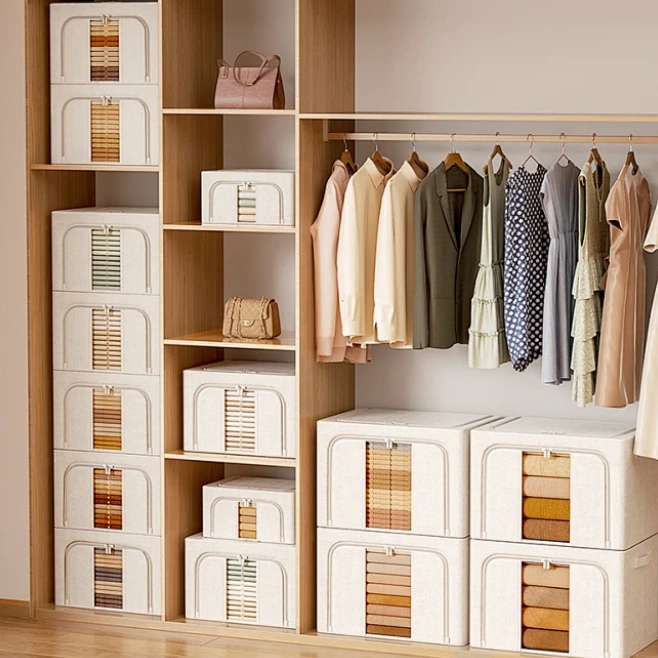
Fabric Storage Box: The Versatile Choice for Daily Use
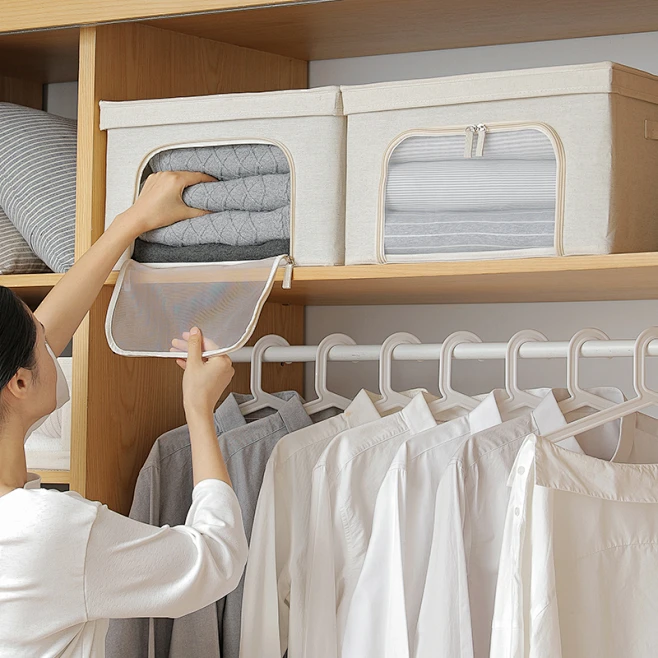
Fabric storage boxes have become increasingly popular among consumers in recent years, and for good reason-they offer a perfect balance of functionality, versatility, and aesthetic appeal, making them an ideal choice for daily clothing storage. One of the key advantages of fabric storage boxes is their lightweight and foldable design: when not in use, they can be easily folded flat and stored in a drawer or cabinet, saving valuable space. They are available in a wide range of sizes, styles, and colors, from small boxes for socks and underwear to large, tall boxes for coats and sweaters, allowing you to customize your storage solution to fit your specific needs. Fabric storage boxes are also highly versatile-they can be used in closets, drawers, under beds, on shelves, or even as standalone storage units in living rooms or bedrooms. Many fabric boxes come with transparent windows or label holders, making it easy to identify contents without opening the box, and some are equipped with handles for easy carrying.
As a professional storage box manufacturer, we specialize in producing high-quality fabric storage boxes that combine functionality and style. Our fabric boxes are made from premium materials such as Oxford cloth, non-woven fabric, and linen, which are durable, breathable, and resistant to wear and tear. The inner lining is often water-resistant, providing basic protection against moisture, while the reinforced bottom and side panels ensure the box maintains its shape even when fully loaded. Unlike cardboard boxes, our fabric storage boxes are washable (either by hand or machine, depending on the material), making it easy to keep them clean and free from odors. Additionally, our fabric boxes are designed with aesthetics in mind, featuring sleek designs, neutral colors, and stylish patterns that complement any home decor, transforming cluttered storage into a decorative element.
Despite their many advantages, fabric storage boxes do have some limitations. They are not as durable as hard-shell storage boxes or luggage, and may tear or lose their shape if overloaded with heavy items (such as multiple pairs of boots or thick winter coats). Some cheaper fabric boxes may have weak seams or flimsy handles that break easily with frequent use. Additionally, while the breathable material prevents odor buildup, it offers less protection against dust and insects compared to airtight storage solutions like vacuum bags or hard-shell boxes. However, these drawbacks are minor compared to their overall benefits, and can be mitigated by choosing high-quality fabric boxes (like our products) and using them for their intended purpose-daily storage of clothing items that are frequently accessed or moderately valued. Fabric storage boxes are suitable for almost all types of clothing, from everyday essentials (socks, underwear, t-shirts) to seasonal items (light sweaters, swimwear) and even delicate garments (blouses, dresses) when paired with protective covers. They are the ideal choice for anyone looking for a versatile, space-saving, and stylish storage solution for their home.
Comparison of Common Clothing Storage Methods
| Storage Method | Advantages | Disadvantages | Suitable Scenarios |
|---|---|---|---|
| Cardboard Box | Low cost, easy to obtain, recyclable | Poor durability, moisture-sensitive, not stackable | Short-term storage, dry indoor spaces, donated clothes |
| Vacuum Bag | Space-saving, lightweight | No physical protection, not stackable, requires vacuum cleaner | Bulky items (down jackets, quilts), auxiliary storage with storage boxes |
| Luggage | Portable, built-in compartments, durable | High cost, takes up space when unused | Travel, temporary relocation, frequently moved clothes |
| Fabric Storage Box | Lightweight, foldable, stackable, aesthetic, durable | Slightly higher cost than cardboard boxes | Daily storage, closet organization, long-term clothing storage, home/office use |
If you're looking for high-quality storage boxes for clothing storage or seeking a reliable storage box manufacturer for bulk orders, feel free to contact us. I can help you create a customized storage box product catalog that includes detailed specifications, material options, and pricing of our hot-selling items, making it easier for you to select the perfect storage solutions for your business or personal use.