



When it comes to storing clothes, the choice between plastic and fabric storage solutions is a common dilemma for many. Just think about it
Nearly everyone has faced that moment when they need to tuck away seasonal clothes, special occasion outfits, or items they don't wear every day. Should you grab a plastic bin from the closet or dig out that fabric bag from the shelf? It's not a trivial question, because the wrong choice can leave your favorite sweater musty, your nice dress stained, or your delicate blouse stretched out. Both materials have their own advantages and drawbacks, and understanding these can help you make an informed decision that best suits your needs.
1.Plastic bags for clothes packing
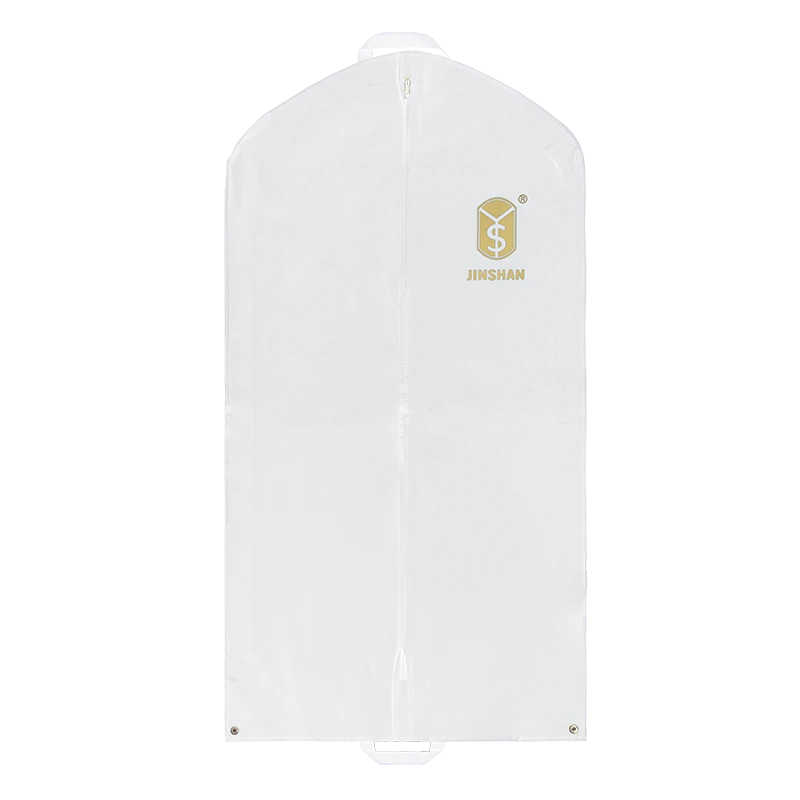
Plastic storage options, such as plastic bins and dry cleaning plastic garment covers, are widely used due to their affordability and accessibility.The main materials used for production are generally PVC or PEVA. Plastic dry cleaning bags, for instance, can be useful for short - term purposes, like transporting clothes from the dry cleaner back to your wardrobe. They offer some basic protection against light spills and minor dirt during transit. However, their effectiveness in long - term storage is limited. Plastic is generally not breathable, which means that moisture can get trapped inside the bag or container. This trapped moisture creates an ideal environment for mold and mildew growth, which can damage your clothes. Additionally, plastic provides only minimal protection against dust and dirt over time. The static charge that often builds up on plastic surfaces can actually attract dust particles, making your clothes dirtier in the long run.Therefore, plastic clothing bags are not a good choice in the long term, but they offer extremely high value for money in the short term.
2.Fabric bag for clothes packing
On the other hand, fabric storage solutions, especially those made from cotton, pp non woven, polyester and lmitation linen offer superior protection for your garments. Cotton is a natural, breathable fabric. This breathability allows air to circulate around your clothes, preventing the build - up of moisture and reducing the risk of mold and mildew. For delicate items like wool sweaters, silk blouses, and cashmere scarves, the breathability of cotton storage bags is particularly important as these fabrics are more prone to damage from moisture and lack of air circulation.
Fabric storage bags also have the advantage of being soft and non - abrasive. They won't scratch or snag delicate fabrics, ensuring that your clothes remain in pristine condition. Moreover, they can be a more environmentally friendly option compared to plastic, as they are biodegradable and reusable. You can wash them regularly to keep them clean and extend their lifespan, reducing waste in the process.
Another aspect to consider is the durability of the storage material. While plastic may seem sturdy at first glance, it can become brittle over time, especially when exposed to sunlight or extreme temperatures. This brittleness can lead to cracks and tears, leaving your clothes vulnerable. Fabric storage bags, especially those made from high - quality cotton, are more resilient to environmental factors. They can withstand regular handling and storage without easily falling apart.

3.conclusion
In conclusion, if you need a temporary solution for transporting clothes, plastic dry cleaning bags can serve the purpose. However, for long - term storage, cotton fabric storage bags are the better choice. They offer excellent protection against moisture, dust, and physical damage, ensuring that your clothes stay in great condition for years to come. By choosing fabric over plastic for long - term clothing storage, you not only safeguard your wardrobe but also make a more sustainable choice for the environment.