



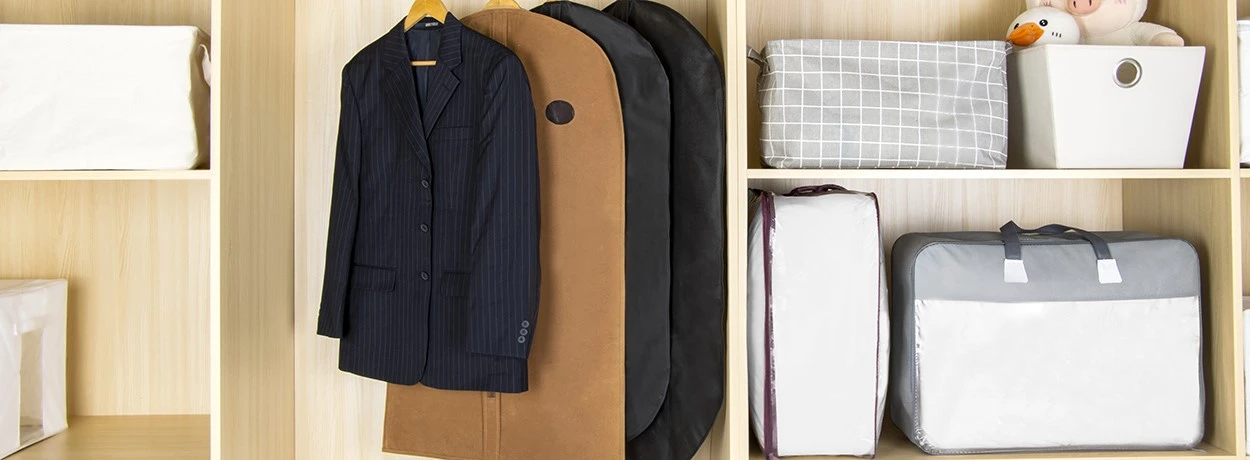
Suit bags, also known as garment bags, are essential accessories designed to store and protect clothing while ensuring ease of use. A well-designed suit bag combines aesthetic appeal with practicality, making it easy to store, handle, and access clothes. Below is a detailed breakdown of the common designs of suit bags, covering their materials, sizes, additional features, and types.
1. Core Function of Suit Bags
The primary function of a suit bag is to store and protect clothing. It shields garments from dust, moisture, wrinkles, and damage, preserving their quality over time. Beyond basic storage, a good suit bag is designed to be user-friendly: it should be easy to store when not in use, simple to handle during transportation, and convenient to open for accessing clothes. Whether for home wardrobe organization or travel, the functionality revolves around maintaining the integrity of the garments inside.
2. Materials of Suit Bags
The choice of material directly impacts a suit bag's durability, breathability, and protective capabilities. The most common materials include:
Non-woven fabrics: Lightweight and cost-effective, these fabrics offer basic protection against dust and minor moisture. They are ideal for everyday storage of suits, blazers, and casual wear.
Polyester: Known for its strength and resistance to wrinkles and abrasions, polyester is a versatile option. Its smooth texture prevents clothes from snagging, and its water-resistant properties make it suitable for both home storage and travel.
PVC (Polyvinyl Chloride): Valued for transparency and durability, PVC allows users to see the contents without opening the bag. However, it is less breathable, making it less suitable for long-term storage of delicate fabrics like silk or wool.
PEVA (Polyethylene Vinyl Acetate): An eco-friendly alternative to PVC, PEVA offers similar transparency and water resistance without harmful chemicals. It is breathable and safe for storing delicate garments, making it a popular choice for sustainable consumers.

3. Sizes of Suit Bags
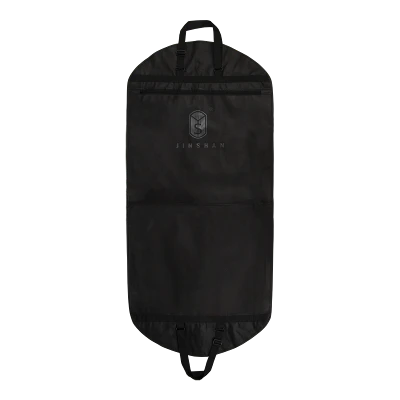
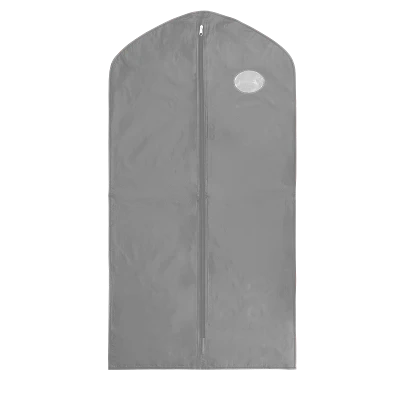
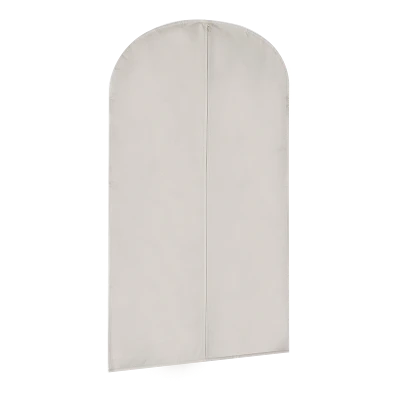
Suit bags come in standardized sizes to accommodate different types of clothing. Common dimensions include:
24*40 inches: Compact and ideal for storing smaller, regular garments such as blazers, sport coats, or short dresses. Perfect for everyday use and saving closet space.
24*45 inches: A versatile size that works for a range of clothing, including suits, longer dresses, and lightweight coats. It strikes a balance between compactness and capacity.
24*54 inches: Designed for longer garments like full-length suits, evening gowns, or mid-length coats. Provides ample length to prevent creasing and ensure full coverage.
24*70 inches: The largest common size, suitable for extra-long garments such as overcoats, wedding dresses, or floor-length gowns. Ensures even the longest items remain protected and wrinkle-free.
These sizes cater to both everyday storage needs and travel requirements, ensuring a snug fit for various clothing types.
4. Additional Design Features of Suit Bags
To enhance usability, suit bags often include thoughtful additional features:
Transparent windows: Typically made from PVC or PEVA, these windows allow users to quickly identify the contents without unzipping the bag. Useful for organizing wardrobes or during travel.
Handles: Designed for easy carrying, handles range from simple fabric loops to padded grips. Some bags also feature detachable shoulder straps, offering flexibility in transportation (by hand, over the shoulder, or across the body).
ID pockets: Small pockets attached to the exterior for labeling. They can hold name tags, destination details, or clothing descriptions, making it easy to identify bags in group settings or during travel.
Folding designs: Many suit bags can be folded into a compact shape, transforming into a travel tote for portability. This feature is especially useful for travelers who need to carry formal wear on trips.
Extra pockets: Sewn-in compartments for storing accessories like shirts, ties, belts, or cufflinks. These pockets keep small items organized and prevent them from wrinkling the main garment.

5. Types of Suit Bags
Suit bags are categorized into two main types based on their structure:
Flat suit bags: Characterized by a slim, streamlined design, these bags are ideal for storing regular, lightweight clothing such as suits, blazers, and shirts. Their flat profile minimizes space usage, making them easy to stack in closets or luggage.
Gusseted suit bags: These bags feature expanded sides (gussets) that increase thickness, providing extra space for bulky items. They are designed to store thick garments like winter coats, duvets, wedding dresses, or multiple suits. The gusseted design allows the bag to expand without compromising protection, ensuring even heavy or voluminous items remain dust-free and well-preserved.
6.Conclusion
Suit bags are designed with a focus on functionality and practicality, with each element-material, size, additional feature, and type-tailored to meet specific storage and travel needs. Whether you need to preserve a single suit at home, transport formal wear during travel, or store bulky items like wedding dresses, there is a suit bag designed to keep your garments in pristine condition. By understanding these common designs, you can choose a suit bag that balances protection, convenience, and usability, ensuring your clothes remain in excellent shape for years to come.

One-stop Packaging Products Factory in China
Tianjin TEDA JINSHAN is a FACTORY which has 29 years of accummulated experience to export modernized and comprehensive packaging products,such as storage box, suit cover ,shopping bag ,quilt bag ,pillow bag and so on.