



In the world of home organization and travel essentials, a garment bag stands out as a versatile, protective solution for clothing, quilts, and other fabric items. As a leading garment bag manufacturer specializing in quilt bags, storage boxes, and innovative home products, we frequently encounter questions about what exactly a garment bag is, how it works, and why it's a must-have for both personal and commercial use. So we'll unpack the definition, key features, types, and benefits of garment bags, helping you understand why they're essential for anyone seeking to protect, organize, and transport fabrics with ease.
Defining the Garment Bag: Purpose and Core Design
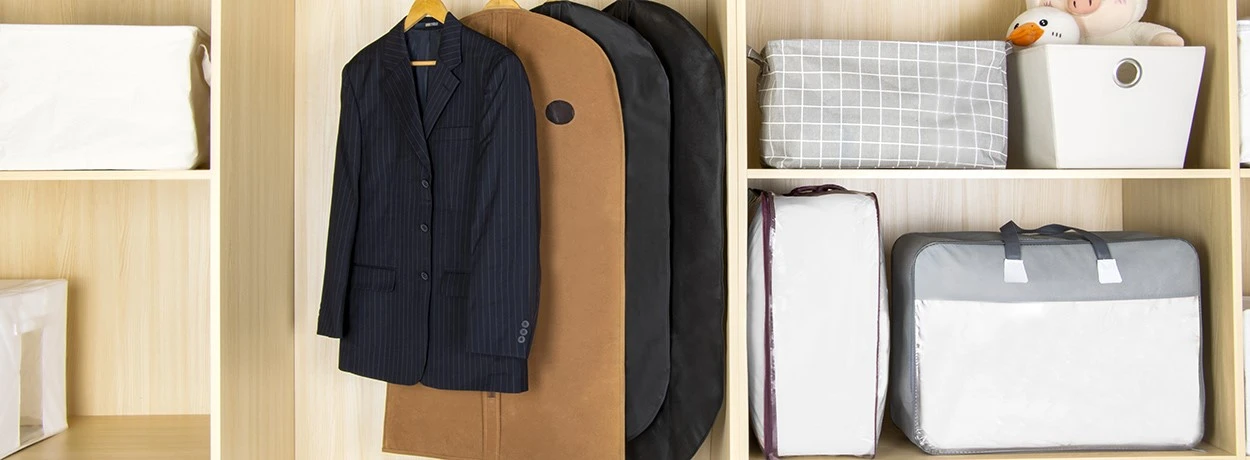
A garment bag is a specialized storage or travel bag designed to protect clothing, quilts, curtains, or other textile items from damage, dirt, wrinkles, and environmental factors like moisture or dust. Unlike storage bags, garment bags are engineered with features that prioritize fabric preservation, making them indispensable for everything from everyday closet organization to long-distance travel or commercial logistics.
Key Components of a Garment Bag:
● Long, Vertical Structure: Most garment bags are rectangular or cylindrical, with a length that accommodates full-length items like dresses, coats, or king-sized quilts.
● Closure Systems: Zippers are standard, often running the full length for easy access, though some premium models use magnetic snaps or Velcro for quick opening.
● Hanging Mechanisms: Many garment bags include a built-in hanger slot or hook, allowing users to hang the bag directly in closets or on racks without unpacking.
● Reinforced Handles/Straps: For portability, handles are either stitched directly to the bag or include detachable shoulder straps, especially in travel-oriented designs.
Primary Purposes:
● Protection: Shields garments from dust, pet hair, humidity, and physical damage during storage or transit.
● Organization: Helps categorize clothing by season, type, or occasion (e.g., separating work suits from casual wear).
● Convenience: Streamlines packing for travel, as hanging garment bags can be taken directly from the closet to the suitcase or car.
Types of Garment Bags: Choosing the Right Fit for Every Need
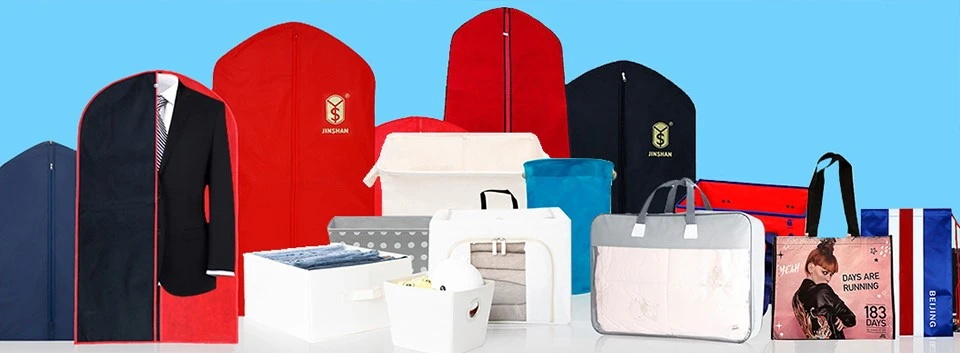
Garment bags come in various shapes, sizes, and materials to suit different use cases. As a garment bag manufacturer, we customize designs for retailers, hotels, e-commerce brands, and individual consumers. Here are the most common types:
Hanging Garment Bags: The Traveler's Best Friend
Ideal for business trips or formal events, hanging garment bags feature a foldable design that keeps suits, dresses, or coats wrinkle-free. They typically have a metal hanger hook and a transparent window to identify contents without opening. Sizes range from 40 inches (for single suits) to 72 inches (for full-length gowns or quilts).
Key Features:
● Wrinkle Resistance: Padded interiors or smooth linings prevent fabric creasing.
● Foldable Design: Most fold in half for easy storage in overhead compartments.
● Material Options: Lightweight nylon for travel (210T) or durable Oxford fabric (600D) for heavy-duty use.
Storage Garment Bags: Seasonal Organization Simplified
For long-term closet or attic storage, storage garment bags prioritize protection and space efficiency. These are often larger than travel bags, with gusseted sides to accommodate multiple items or bulky quilts.
Key Features:
● Breathable Materials: Non-woven polypropylene (PP) or organic cotton allows air circulation to prevent mold.
● Clear Panels: Transparent windows let users see contents without digging through stacks.
● Reinforced Edges: Stitched seams and heavy-duty zippers withstand repeated use.
Quilt Garment Bags: Specialized for Bulky Bedding
As a leading manufacturer of quilt bags, we design quilt garment bags to handle large, thick items like comforters, duvets, and blankets. These bags are extra spacious (often 72+ inches in length) and feature:
Key Features:
● Waterproof Coatings: Oxford fabric with PVC lamination protects quilts from basement moisture.
● Compression Zippers: Dual-layer zippers reduce volume by up to 50%, ideal for small storage spaces.
● Reinforced Bottom Panels: Stiffened bases prevent sagging when loaded with heavy bedding.
Garment Bags for Special Occasions
Premium garment bags for weddings, proms, or luxury fashion use materials like microsuede or faux leather, with added features like:
Velvet lining for delicate fabrics (silk, lace).
Custom embroidery or logo printing for brand differentiation.
Anti-static properties to repel dust from high-end garments.
Materials Matter: How Fabric Choices Define a Garment Bag's Performance
The material of a garment bag dictates its durability, weight, cost, and environmental impact. As a responsible garment bag manufacturer, we offer a range of materials to meet global standards:
a. Oxford Fabric: The Durability Champion
Strength: 600D or 1000D Oxford is tear-resistant and ideal for heavy-duty use (moving, industrial storage).
Water Resistance: Coated versions protect contents from spills and rain, making them popular for outdoor events or logistics.
Use Case: Large quilt bags, commercial laundry bags, or moving kits.
b. Non-Woven Polypropylene (PP): Budget-Friendly and Versatile
Lightweight: Perfect for small to medium-sized bags (single suits, seasonal clothing storage).
Breathability: Allows air flow to prevent musty odors, though laminated PP adds water resistance.
Eco-Friendly Option: Recycled PP is gaining traction for sustainable brands.
c. Nylon: The Traveler's Choice
Lightweight & Smooth: 210T or 420T nylon reduces luggage weight while resisting wrinkles.
Quick-Drying: Essential for travel bags that might get wet during transit.
Trend Alert: Recycled nylon (made from plastic bottles) is a hit with eco-conscious consumers.
d. Specialty Fabrics for Premium Bags
Microsuede: Soft, luxurious feel for high-end garment bags (wedding dress storage).
Jute/Cotton: Natural, biodegradable materials for eco-friendly, rustic designs.
PVC-Coated Polyester: Industrial-grade waterproofing for extreme environments (marinas, construction sites).
How to Choose the Right Garment Bag: A Step-by-Step Guide
Whether you're a retailer sourcing inventory or a consumer organizing your closet, follow these steps to select the perfect garment bag:
● Step 1: Define the Purpose
Storage vs. Travel: For long-term storage, prioritize breathability and size (e.g., quilt bags for bedding). For travel, choose lightweight, foldable designs with hanging hooks.
Item Type: Delicate fabrics need soft linings (microsuede), while heavy quilts require reinforced handles and waterproof materials (600D Oxford).
● Step 2: Measure Your Items
Length: Ensure the bag is 2-4 inches longer than your tallest garment (e.g., 60 inches for floor-length dresses).
Width/Gusset: Bulky items like quilts need a gusseted base (5-10 inches deep) to accommodate volume without stretching the fabric.
● Step 3: Prioritize Features
Retailers: Look for customizable options (logo printing, label slots) to enhance brand visibility.
Hotels/Laundries: Heavy-duty zippers and waterproof materials to withstand daily use and industrial washing.
Consumers: Transparent windows, lightweight materials, and easy-to-carry handles for convenience.
● Step 4: Partner with a Reliable Manufacturer
Quality Certifications: Ensure the manufacturer follows ISO 9001 or BSCI standards for consistent quality.
Customization Capabilities: Can they create unique sizes, materials, or features (e.g., anti-static lining for luxury brands)?
MOQ Flexibility: Small minimum order quantities (MOQs) are ideal for startups, while large factories handle bulk orders for retailers.
Why Partner with a Professional Garment Bag Manufacturer?
As a factory with over a decade of experience, we understand that quality and customization are key to your success. Here's what sets a reliable garment bag manufacturer apart:
Expertise in Material Sourcing
We navigate global fabric markets to source durable, compliant materials-from OEKO-TEX certified cottons to REACH-compliant plastics-ensuring your products meet regional safety standards (e.g., CPSC in the US, CE in the EU).
End-to-End Customization
Design Support: Our in-house team helps create prototypes, from selecting hardware (zippers, hooks) to printing Pantone-matched logos.
Size Flexibility: Whether you need a 30-inch bag for children's clothing or a 90-inch industrial bag for theater costumes, we tailor dimensions to your exact specs.
Quality Assurance
Every bag undergoes rigorous testing:
Tensile Strength Tests: Ensuring handles and seams can carry the stated weight capacity.
Zipper Durability Checks: 5,000 + to prevent jamming or breakage.
Water Resistance Trials: Spraying coated bags with water to validate waterproof claims.