



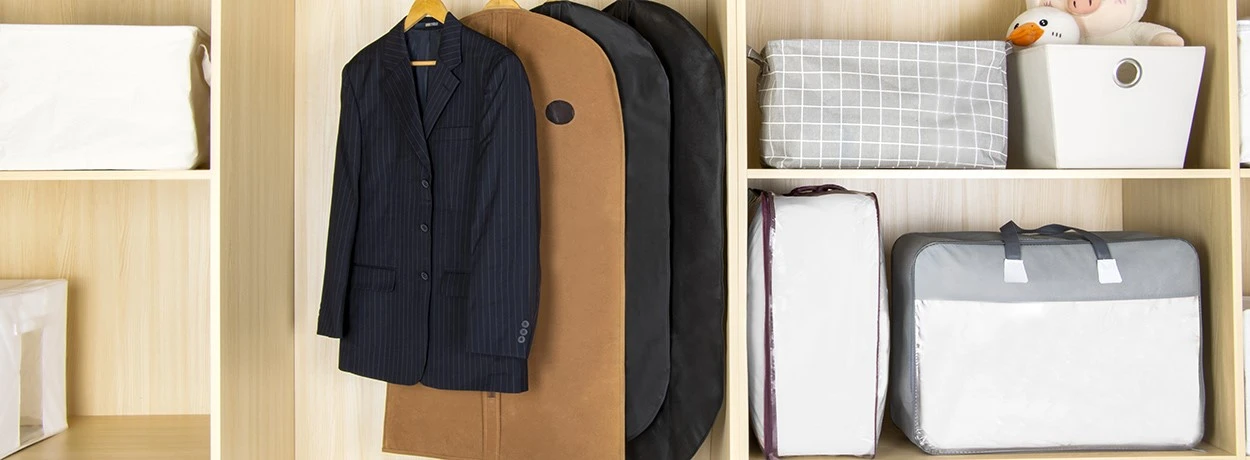
With the continuous improvement of people's pursuit of clothing quality.How to storage clothes effectively has become concern topic in currently families.If your clothes lack of protection during storage,and it often get wrinkled,faded or collects dusty.If you often go out to attend the business mettings, than you might have following problems:the suit become wrinkle,and get stained or dusty accidentally. At that time,the garment bag become very important in our daily life.Usually,these bags use durable and soft raw material to made,such as pp non woven,pvc ,cotton and polyester...Aims to both prevent friction damage to the surface of clothing and avoid intrusion of external dust and dirt. In addition,they usually equipted sturdy zippers.It convenient for putting on and taking off clothes,at the same time enhances the sealing performance,further improving the protective effect. It's worth noting that the design not only suitable everyday wear clothing,but also suitable for formal garment ,such as suitsand dress that need to be store for a long time and are of higher value.
Commen materials for garment bag
The raw materials of garment bags are usually non-woven fabric, nylon, polyester, leather and canvas, etc. These materials are tough and durable, breathable, comfortable and easy to print. In addition, the raw materials can be according to your needs, but no matter what kind of raw materials you choose, gold shirt will create your garment bag beyond expectations.
With nearly 30 years of production experience, we produce a wide variety of garment bags, such as foldable garment bags, wedding bags, organza garment bags, glittering suit bags and so on.
★ PP non woven
Polypropylene non-woven fabric material is a non-woven fabric rather than a textile. PPNW is a synthetic material made from polypropylene resin, produced by melting and extruding the resin into fine fibres and then bonding these fibres together to form a non-woven fabric. This material is lightweight, environmentally friendly, easy to process, and cost-effective, offering some protective qualities of synthetic fibres while also being somewhat eco-friendly. It is widely used in packaging, home goods, medical applications, and clothing, and is also a mainstream choice in the garment bag sector. Non-woven fabrics are extremely light, compact when folded, do not occupy wardrobe space, and add almost no weight when travelling, making them suitable for short trips, seasonal temporary storage, or as protective linings for transporting suits. Some non-woven fabrics can achieve basic water resistance through lamination or coating processes (such as PP laminated non-woven fabric), handling slight moisture. In recent years, PPNW bags have become increasingly popular due to being eco-friendly and affordable. However, the fibres of non-woven fabric are bonded rather than woven, resulting in lower tear resistance and abrasion resistance compared to polyester, cotton, and PVC, especially for thin non-woven fabrics (weight ≤60g/㎡), which have a shorter lifespan (suitable for short-term use, not for long-term repeated use
★ PVC
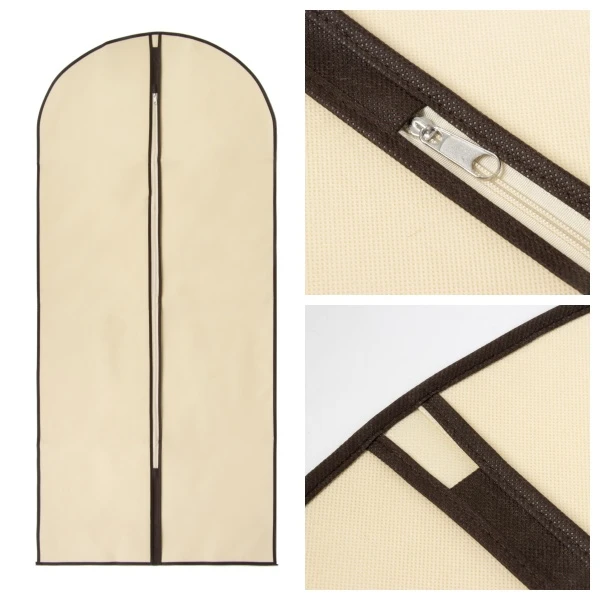
PVC stands for polyvinyl chloride and is one of the most widely produced and used general-purpose plastics globally. PVC materials are low-cost and highly versatile, widely used in construction materials, packaging, household items, and medical equipment. PVC is easy to heat seal, emboss, and print, and can be made into suit bags with zippers, snap buttons, hanging holes, and other styles, while also allowing for custom brand logos or designs to meet individual business needs. PVC materials have good flexibility and tear resistance, making them resistant to deformation or damage during daily use and suitable for repeated use. Additionally, the cost is much lower than suit bags made from non-woven fabrics, Oxford cloth, and other materials. However, soft PVC suit bags often contain plasticisers (such as phthalates), which can cause environmental pollution. You can also choose PVC materials free from phthalates for a healthier and more environmentally-friendly option. PVC is highly affected by temperature: at low temperatures, the material gradually hardens from its original soft state and may even lose flexibility, while increasing temperatures will gradually restore it.
★ PEVA
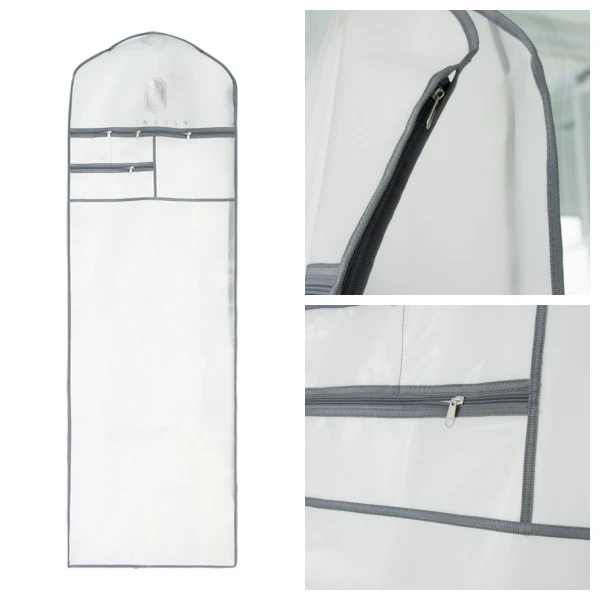
PEVA material consists of PE and EVA materials mixed in a certain proportion, offering good softness with a slight elasticity. Additionally, the effects vary due to different mixing ratios. PEVA is biodegradable; when not needed, whether discarded or burned, it is environmentally friendly and causes no harm to the environment. In terms of price, we know that toxic PVC materials are cheaper than PEVA materials, but phthalate-free PVC materials are more expensive than PEVA materials.
★ Polyester
The core component of polyester is PET, which is the world's most produced and widely used synthetic fibre. It is a chemical fibre with characteristics such as high strength, strong stability, and ease of processing, and is widely used in clothing, home textiles, industrial fabrics, and storage products. Common polyester fabrics include plain weave, twill, and Oxford cloth, with thickness and texture adjustable according to different processes. The breaking strength of polyester is 2-3 times that of cotton fibre, with excellent tear resistance and wear resistance, making it less likely to damage or pill with long-term use. Waterproof and dustproof functions can be achieved through coating processes (such as PU and PE coatings), balancing breathability and protection, addressing cotton's poor waterproofing and PVC's poor breathability. Polyester has excellent wrinkle resistance, does not easily crease after folding, and can return to smoothness without ironing, making it suitable for long-term storage or travel. Polyester has a wide temperature tolerance, remaining uncracked in low temperatures and not softening or deforming in high temperatures, making it suitable for transport and use in various climates worldwide. Polyester itself contains no harmful substances such as plasticisers, is safe and odourless, and does not pollute clothing; although a synthetic fibre, it is recyclable, and its disposal causes far less environmental pollution than PVC, meeting environmental standards in markets such as Europe, the US, Japan, and South Korea. Cotton fibre, however, lacks elasticity, leaves obvious creases after folding, needs ironing to restore smoothness, and affects the appearance of suit bags.
★ Cotton
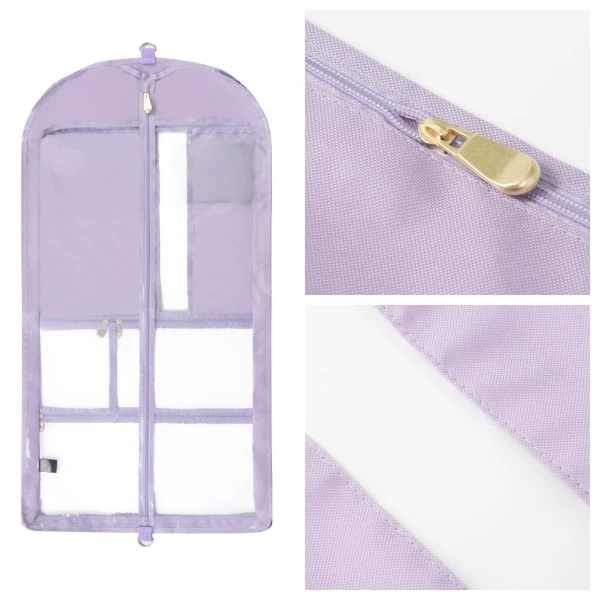
Cotton is a natural textile material and one of the oldest natural fibres used by humans. Due to its natural origin, comfortable feel and excellent breathability, it is widely used in clothing, home textiles (such as bedding and storage bags) and daily necessities. Cotton fibres have a porous structure with excellent breathability, allowing suits to remain ventilated during storage, releasing moisture and sweat from the garments in time to prevent mould and odours. It is particularly suitable for long-term storage of suits made from natural fabrics such as wool, silk and pure cotton, without damaging the texture of the fabric. Natural cotton fibres do not require chemical additives, are safe and odourless, and can decompose naturally after disposal, making them environmentally friendly and in compliance with environmental standards in markets such as Europe, the US, Japan and South Korea, and suitable for mid-to-high-end consumers. However, if stored in a damp environment or exposed to water stains, cotton can absorb moisture, which may cause the suit to become damp.
The advantages and disadvantages about all kinds of materials
Each of the five fabrics used for suit bags has its own advantages and disadvantages, with core differences focusing on five key dimensions: cost, protective performance (waterproof/dustproof), air permeability, durability, and environmental friendliness. For those with limited budgets, focusing on short-term protection or bulk promotions, PVC or polypropylene non-woven fabric models are recommended. For those prioritizing environmental safety and soft touch, PEVA is a balanced choice. For long-term storage requiring both protection and durability, polyester models (especially upgraded coated versions) offer the strongest adaptability. For those pursuing natural texture and caring for high-end suits made of natural fabrics, cotton models are the preferred option for the mid-to-high-end market. It is suggested to flexibly select the suitable fabric based on target market needs (e.g., European and American markets emphasize environmental protection, Southeast Asian markets focus on waterproofing, and northern regions prioritize anti-static functions), usage scenarios (short-term travel/long-term storage/store display), and budget.
| Fabric Type | Core Advantages | Obvious Disadvantages |
|---|---|---|
| Polypropylene Non-Woven Fabric (PPNW) |
1. Lightweight and portable, takes up no space when folded; 2. Environmentally friendly with no harmful substances, biodegradable, compliant with European and American environmental standards; 3. Easy to process and customize (LOGO printing, various styles) with high production efficiency; 4. Balanced cost, suitable for bulk foreign trade orders; 5. Good basic dustproof performance, partial products can achieve mild waterproofing through lamination; 6. Excellent temperature resistance (-15℃~60℃) with strong transportation adaptability. |
1. Poor tear resistance and wear resistance; thin models (grammage ≤60g/㎡) have a short service life and are only suitable for short-term use; 2. Limited inherent waterproofing, unlaminated models are prone to water absorption and moisture damage; 3. Average air permeability, requires ventilation for long-term sealed storage; 4. Soft texture without stiffness, easy to leave creases when folded; 5. Prone to static electricity in dry environments, attracting dust and hair. |
| PEVA |
1. Soft and elastic, comfortable to touch without stiffness; 2. Environmentally friendly and biodegradable, no environmental pollution when discarded or burned; 3. Safe with no harmful substances (no plasticizers), will not contaminate clothes; 4. Price ranges between ordinary PVC and phthalate-free PVC, with moderate cost-effectiveness. |
1. Waterproof performance is weaker than PVC, only capable of handling mild moisture; 2. Average wear resistance, prone to abrasion after long-term repeated use; 3. Poor air permeability, requires ventilation design for long-term storage; 4. Flexibility slightly decreases in low-temperature environments, and prone to aging in high temperatures. |
| PVC |
1. Extremely low cost, outstanding cost-effectiveness, suitable for the mass consumer market; 2. High plasticity, easy to process (heat sealing, embossing), can be customized into various styles (zippers, hanging holes) and LOGOs; 3. Excellent waterproof and dustproof performance, providing direct clothing protection; 4. Good flexibility and tear resistance, reusable. |
1. Ordinary models contain plasticizers (e.g., phthalates), which are environmentally unfriendly and pose potential health risks; phthalate-free models have a higher price; 2. Poor temperature resistance, brittle and easy to crack in low temperatures, softens, deforms and adheres to clothes in high temperatures; 3. Extremely poor air permeability, easy to cause mold and odor in clothes (especially natural fabrics) during long-term storage; 4. Hard texture, leaves creases when folded, and produces a "rustling" sound when rubbed; 5. Difficult to degrade, causing environmental pollution when discarded. |
| Polyester (PET) |
1. High strength, excellent tear resistance and wear resistance, long service life; 2. Easy to maintain, strong wrinkle resistance, no creases when folded, can recover flat without ironing, suitable for long-term storage or travel carrying; 3. Can achieve waterproof + breathable functions through coating technology (e.g., PU/PE coating), balancing protection and clothing care; 4. Wide temperature resistance range (-20℃~70℃), suitable for transportation and use in different climates worldwide; 5. Safe with no harmful substances, recyclable, more environmentally friendly than PVC; 6. Straight and elegant texture, suitable for store display and home storage. |
1. Air permeability is slightly inferior to cotton, requiring ventilation for long-term storage of natural fabrics; 2. Limited inherent waterproofing, relying on coating upgrades; 3. Prone to static electricity in dry environments, attracting dust; 4. Average skin-friendliness, some low-cost models have a slight chemical fiber feel; 5. Prone to aging and yellowing under long-term high-temperature exposure. |
| Cotton |
1. Excellent natural air permeability, ensuring air circulation during suit storage, effectively discharging moisture and sweat from clothes to avoid mold and odor, especially suitable for long-term storage of suits made of natural fabrics such as wool, silk and pure cotton without damaging the fabric texture; 2. Skin-friendly and soft, no risk of fabric damage due to friction, with a warm touch; 3. Environmentally friendly and safe, no chemical additives, biodegradable, compliant with mid-to-high-end environmental needs; 4. Anti-static, not easy to attract dust and hair; 5. Good temperature resistance, not easy to deform under extreme temperatures. |
1. Poor waterproof and dustproof performance, prone to water absorption and moisture damage in humid environments, requiring desiccants; 2. Easy to get dirty and difficult to clean, prone to fading, wrinkling and deformation after multiple washes; 3. Poor wrinkle resistance, leaving permanent creases that require ironing; 4. Average wear resistance, easy to wear and pill, requiring mothproof treatment; 5. High cost and relatively expensive price;6. Thick and space-consuming, with poor portability. |
Jinshan Factory Introduction
Jinshan Easy Packing Manufacture CO.,LTD boasts a robust organizational structure and an efficient production management system. We have achieved several international certifications, including:
● ISO 9001:2015 for Quality Management Systems
● BSCI (Business Social Compliance Initiative)
● GRS (Global Recycled Standard)
● CQC (China Quality Certification)
With 29 years of experience in design and manufacturing, we have established ourselves as a leading force in the packaging industry and have developed our own JINSHAN brand. Additionally, we offer professional OEM and ODM services to cater to diverse client needs and specifications.
With the remarkable creativity and design, first-class technical support, strong quality assurance, high responsibility staffs, the beneficial price advantage and service idea in advance, Jinshan insistently provide best service for the new and old customers.
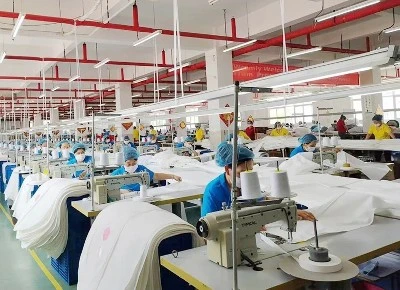
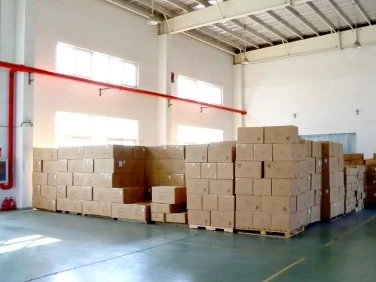
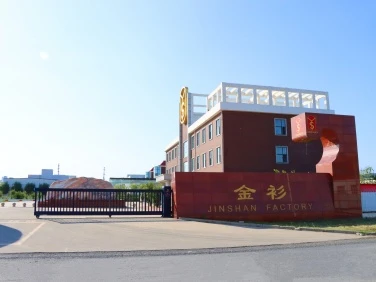
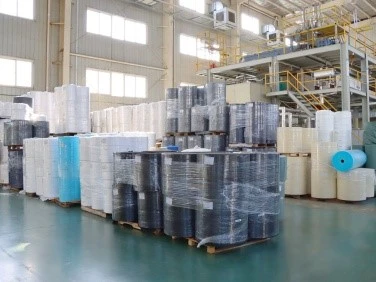
★ Our extensive experience and comprehensive product lineup ensure we meet various market demands with quality and innovation.
Jinshan Easy Packing Manufacture CO.,LTD operates on a 52,000 square meter site, with 26,000 square meters dedicated to our self-built factory. Our team consists of over 300 skilled management and technical professionals.
We boast a raw material production workshop capable of producing 20 tons of non-woven fabrics daily. Our facility is equipped with advanced automated sewing and printing machinery, enabling us to export around 60 million packaging products annually. As the largest professional packaging products manufacturer in northern China, we are well-positioned to meet large-scale demands with efficiency and precision.