



Storage bins play a crucial role in organizing our living and working spaces. Their effectiveness and lifespan hinge on the materials from which they are crafted. A diverse array of materials, ranging from plastics to natural and synthetic fabrics, are employed in their production, each bringing distinct features, benefits, and limitations to the table. This article will explore the common materials used for storage bins, including PVC, non-woven fabric, imitation linen, cationic fabric, and polyester, offering a comprehensive guide to help you make informed choices.
★ The material of the storage box
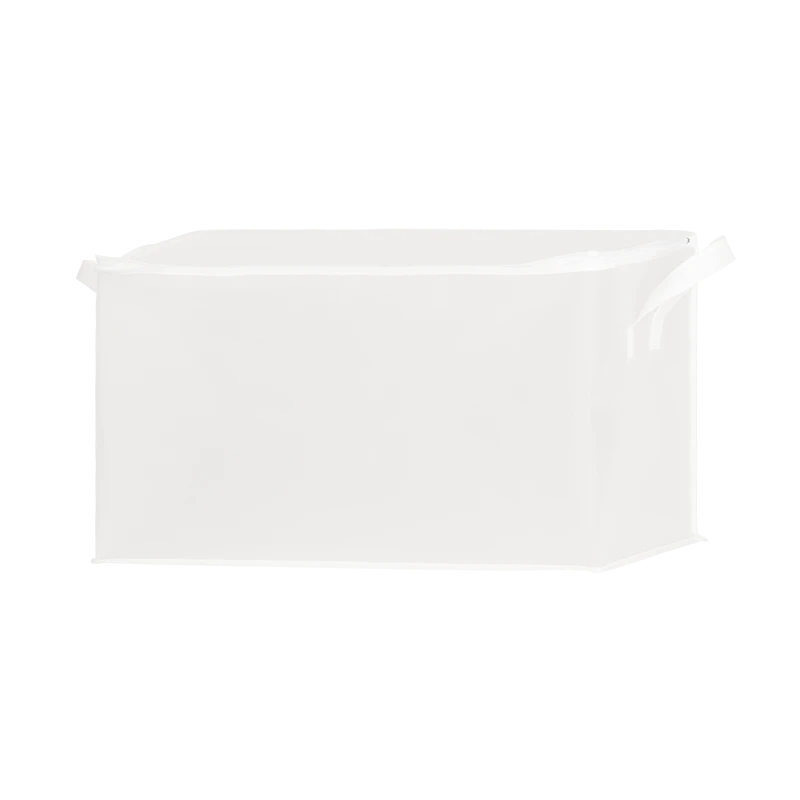
Polyvinyl Chloride (PVC)
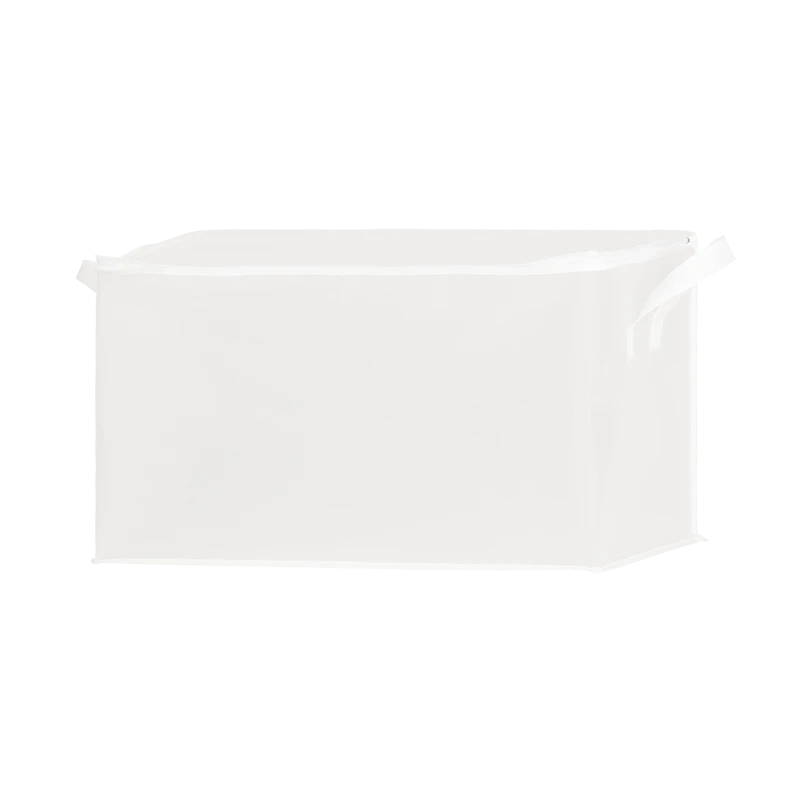
PVC is a synthetic plastic polymer renowned for its versatility and durability. Box storage containers made from PVC are highly water-resistant, making them an excellent choice for storing items in damp environments like basements or bathrooms. They are also effortless to clean-simply wipe them down with a damp cloth to remove dirt and stains. PVC bins come in a wide variety of colors and designs, adding a decorative element to any space. However, PVC has environmental drawbacks; its production and disposal can release harmful chemicals. Additionally, it may become brittle over time when exposed to extreme temperatures.
Non-woven Fabric
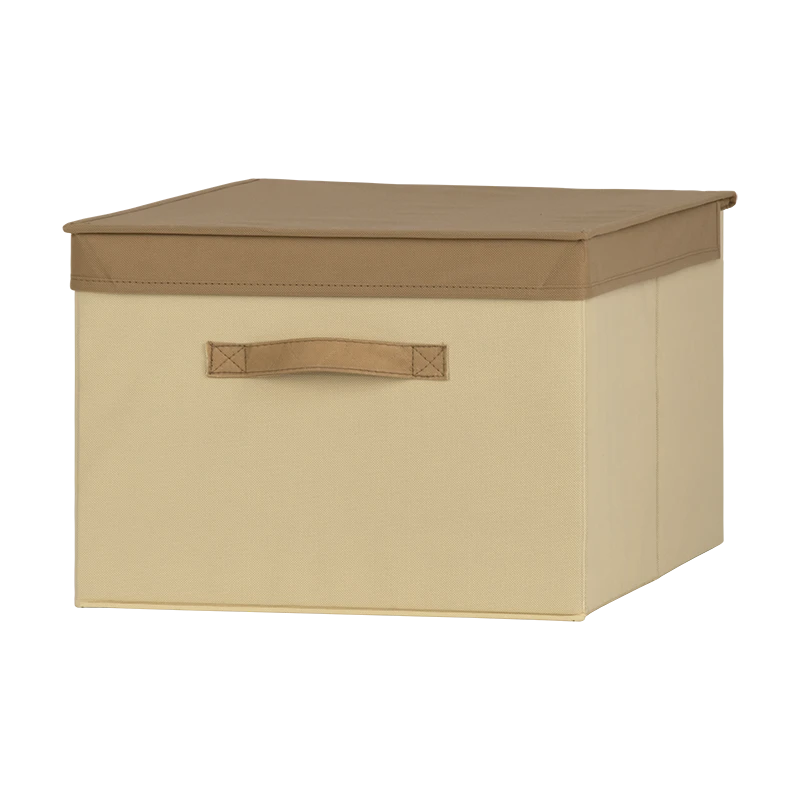
Non-woven fabric is created by bonding synthetic fibers together through mechanical, thermal, or chemical processes. Non-woven storage bins are lightweight and flexible, with excellent breathability that prevents odor and mold buildup. Home textile products makes them ideal for storing clothing, linens, and other fabric items. They are budget-friendly, foldable, and easy to store when not in use. However, they are less sturdy than some materials, prone to tearing or fraying under rough handling or heavy loads, and lack water resistance.
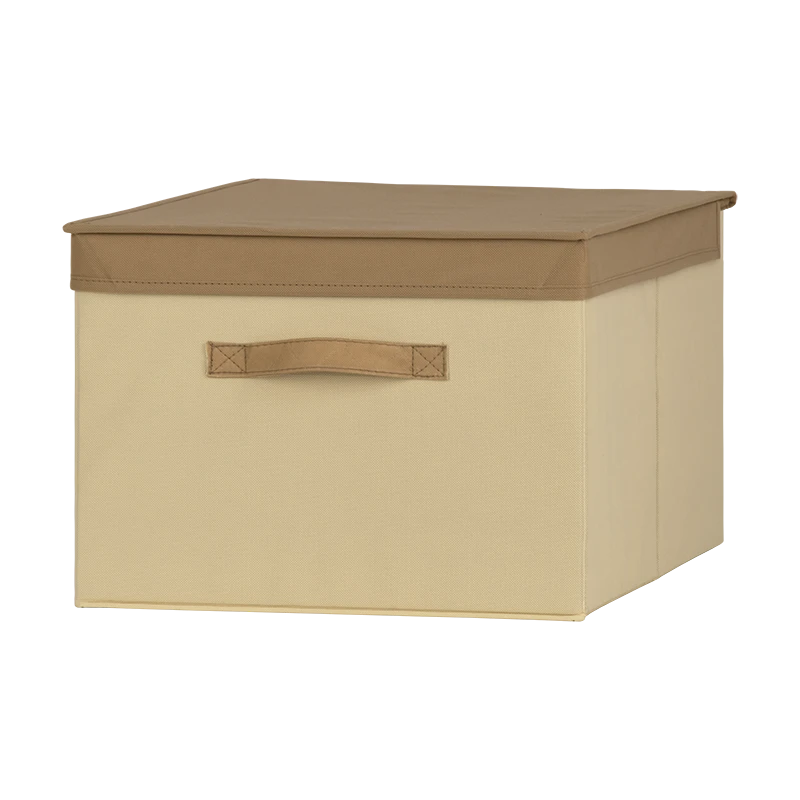
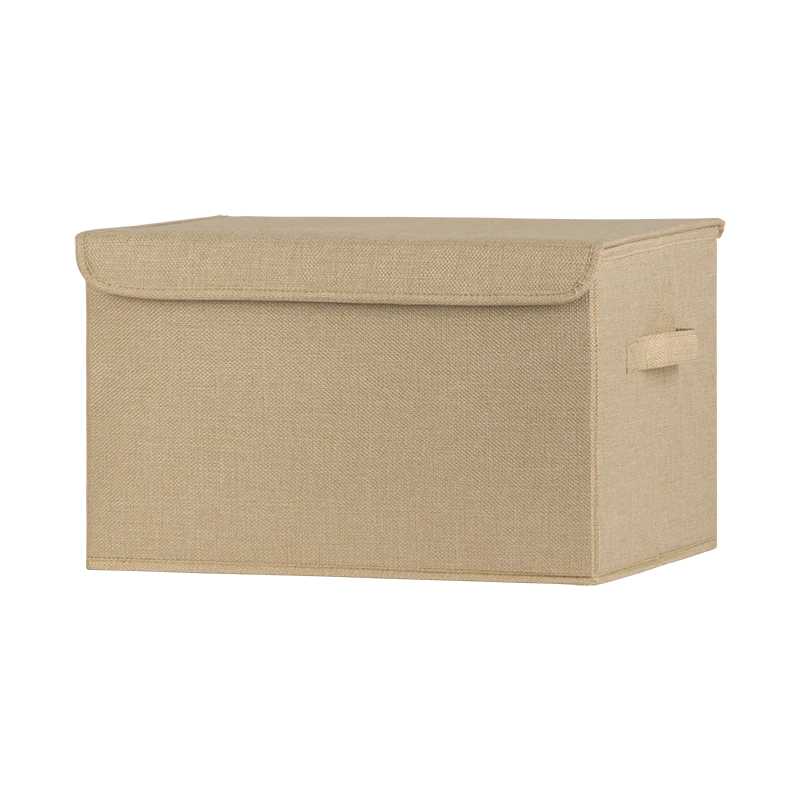
Imitation Linen
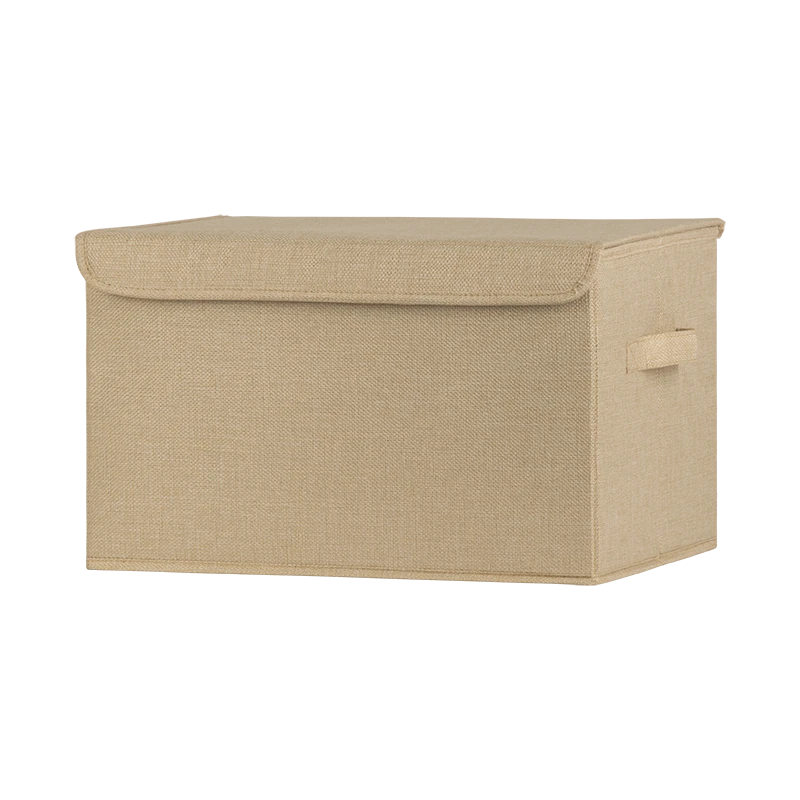
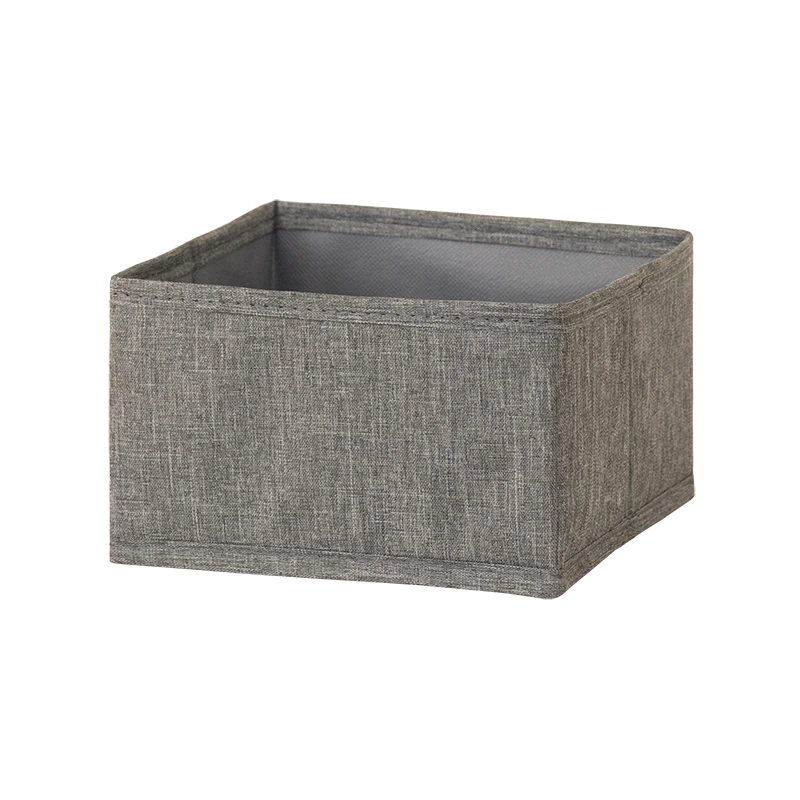
Imitation linen, or faux linen, replicates the appearance and texture of natural linen, usually made from synthetic fibers such as polyester or a blend. Storage boxes near me made from imitation linen offer an elegant look, making them a stylish addition to home decor. They are commonly used in living rooms, bedrooms, or nurseries to store items like toys, magazines, or baby clothes. These bins are more durable than pure non-woven fabric bins and can handle moderate loads. They are relatively easy to clean but require care to avoid fabric damage. Still, they lack the strength and water resistance of PVC.
Cationic fabric
Cationic fabric, a type of polyester, stands out for its unique dyeing properties that enable vibrant and long-lasting colors. Fabric boxes made from cationic fabric are not only visually attractive but also sturdy and durable. They resist stretching and shrinking, maintaining their shape over time. These bin box storage are often used in high-end storage solutions and are suitable for storing various items. However, like many synthetic fabrics, they lack breathability, which can be a drawback for items needing air circulation.
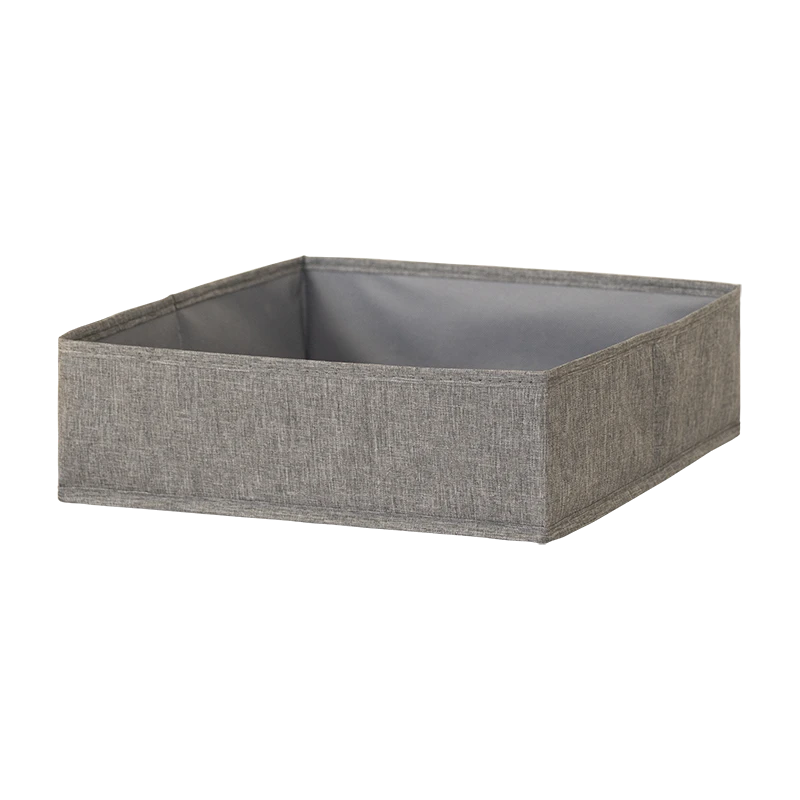
Polyester
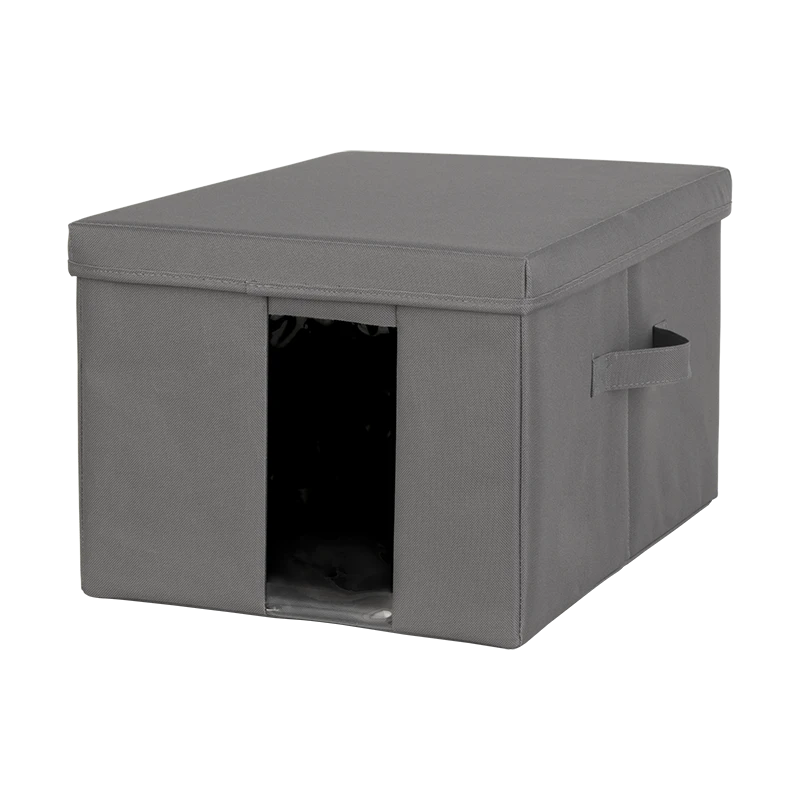
Polyester is a widely used synthetic fiber in storage bin production, prized for its high strength, durability, and resistance to wrinkles, shrinking, and mildew. Polyester storage bins can carry heavy loads without tearing or deforming. They are easy to clean and dry quickly, making them suitable for frequent use. Some polyester bins have additional coatings for enhanced water resistance. However, as a synthetic material, its production relies on non-renewable resources, and it is less breathable than natural fabrics, potentially leading to moisture accumulation if not ventilated properly.
★ Conclusion
| products |
 |
 |
 |
 |
| Item No | SN-069 | SN-050 | SN-053 | SN-080 |
| Material | PVC | Imitation Linen | Non Woven Fabric | Cationic fabric |
| Advantages |
Durability, Water Resistance, Easy to clean, Aesthetic Options |
Elegant, mimics natural linen Durability than ppnw Easy to clean
|
Lightweight Breathability low Cost |
High, resistant to stretching and shrinking |
| Disadvantages |
Releases harmful chemicals during production and disposal |
Strength and Water Resistance Lower compared to PVC |
None Water Resistance prone to tearing |
low Breathability |
In conclusion, the selection of storage bin materials should be based on factors such as usage, environment, aesthetic preferences, and budget. By understanding the characteristics of PVC, non-woven fabric, imitation linen, cationic fabric, and polyester, you can choose the storage bins that best meet your specific needs, ensuring both functionality and style in your space.