



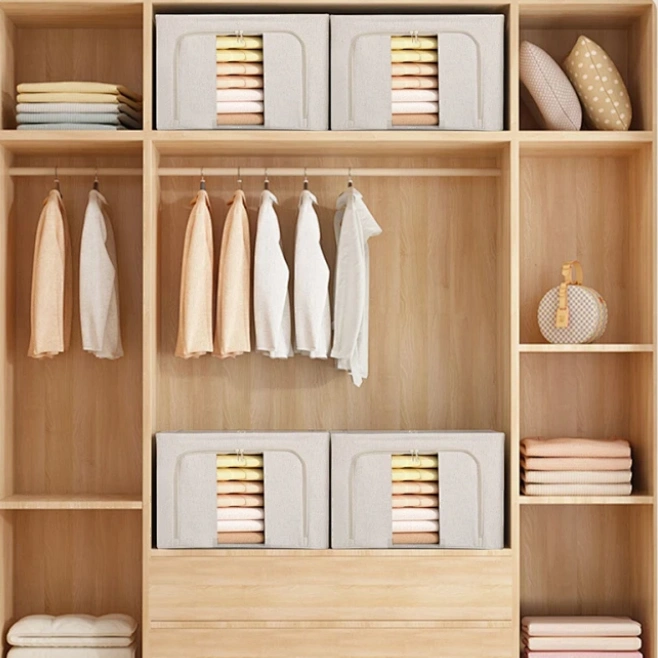
There's nothing more frustrating than pulling out your favorite sweater or vintage dress from storage, only to find unsightly mould spots ruining its fabric. Many people go to great lengths to store clothes neatly, yet end up with mouldy items that are hard to rescue. This common dilemma not only wastes money but also makes it difficult to keep your wardrobe organized. As a professional storage box manufacturer, we understand the struggles of proper clothes storage and the impact mould can have on your valuable garments. The good news is that with the right strategies-centered around high-quality storage boxes and smart storage habits-you can effectively prevent mould growth and keep your stored clothes fresh and clean.
Some Tips To Keep Your Stored Clothes From Moulds
Regarding the problem of mold forming on the clothes stored in the storage boxes at home, we, as a professional storage box manufacturer with years of experience in producing high-quality storage boxes for home use, deeply understand how frustrating and distressing this issue can be. There's nothing more heartbreaking than opening a storage box filled with your beloved seasonal clothes, favorite dresses, or cherished sweaters, only to find ugly mold spots spreading across the fabrics-items that you carefully folded and stored, hoping to keep them in perfect condition for the next use, yet ending up ruined by unexpected mold growth. This not only wastes your hard-earned money but also leaves you feeling helpless, especially when dealing with irreplaceable pieces that hold sentimental value.
Choose High-Quality Storage Box for Mould-Proof Clothes Storage
The first and most crucial step in mould prevention is selecting the right storage box. A poor-quality storage box can trap moisture, creating the perfect breeding ground for mould. As a trusted storage box manufacturer, we emphasize the importance of material selection when it comes to storage boxes.
Opt for storage boxes made from breathable, moisture-resistant materials. Plastic storage boxes with proper ventilation holes are ideal, as they prevent air stagnation while blocking external moisture. Avoid non-breathable materials like thick vinyl or uncoated cardboard, which easily absorb moisture and promote mould growth. Additionally, choose storage boxes with tight-fitting lids to keep out dust, humidity, and pests, but ensure they have small air vents to maintain airflow-this balance is key to mould prevention.
Investing in storage boxes from a reliable storage box manufacturer also guarantees durability and quality. High-grade storage boxes are less likely to crack or warp, which can lead to moisture seepage. Look for storage boxes with reinforced corners and sturdy construction, as these will protect your clothes better and last for years of repeated use.
Avoid Placing Storage Box Against Walls for Dry Clothes Keeping
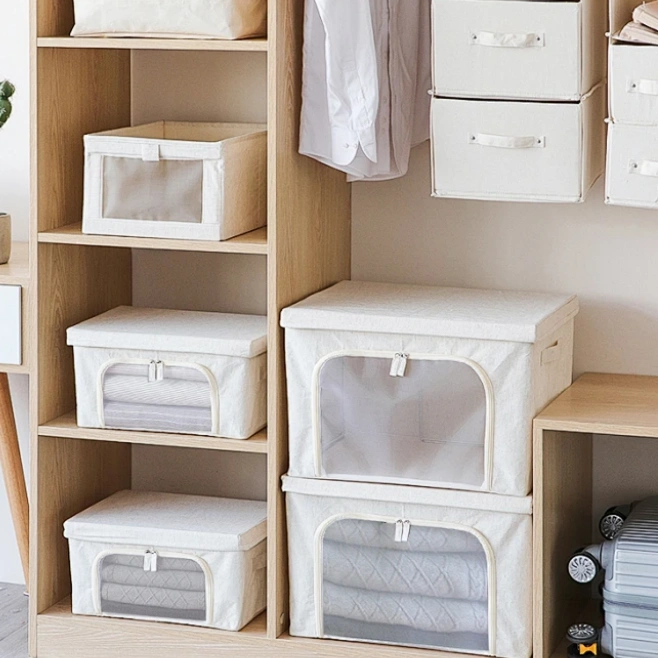
Even the best storage box can't protect your clothes if placed incorrectly. One common mistake is positioning storage boxes directly against walls, especially in rooms like basements, closets, or garages where walls are prone to dampness.
Walls often absorb moisture from the surrounding environment, especially in humid climates or during rainy seasons. When a storage box is pressed against a damp wall, moisture can seep into the box through tiny gaps, accumulating inside and triggering mould growth on your clothes. To avoid this, always leave a gap of at least 10-15 centimeters between the storage box and the wall. This space allows air to circulate freely around the storage box, preventing moisture buildup and keeping the interior dry.
Additionally, place your storage box on a raised surface such as a shelf, pallet, or plastic stand. This elevates the storage box off the floor, which is another common source of moisture-especially in areas with poor drainage. By keeping the storage box away from both walls and floors, you significantly reduce the risk of moisture entering and damaging your stored clothes.
Add Desiccants in Storage Box to Absorb Excess Moisture
Another effective way to keep your stored clothes mould-free is to use desiccants inside your storage box. Desiccants are materials that absorb excess moisture from the air, maintaining a dry environment inside the storage box-exactly what your clothes need to avoid mould.
There are various types of desiccants suitable for storage boxes. Silica gel packets are the most common and convenient option; they are small, non-toxic, and highly effective at absorbing moisture. You can place 2-3 silica gel packets in each storage box, depending on its size. For larger storage boxes or items like thick coats and blankets, consider using charcoal bags or calcium chloride desiccants, which have stronger moisture-absorbing capabilities.
As a professional storage box manufacturer, we recommend checking and replacing desiccants every 2-3 months. Over time, desiccants become saturated and lose their effectiveness, so regular replacement ensures continuous moisture protection. You can also reuse silica gel packets by drying them in the sun or oven, making them a cost-effective choice for long-term storage.
Regularly Ventilate Storage Box to Maintain Air Circulation
Proper air circulation is essential for preventing mould, and even sealed storage boxes need occasional ventilation. Stagnant air inside a storage box can trap moisture from the clothes themselves (especially if they weren't fully dry before storage) and create a humid environment ideal for mould.
Make it a habit to open your storage box every 1-2 months, even if you don't need to take out any clothes. Leave the lid open for 2-3 hours in a well-ventilated room, such as near a window or fan. This allows fresh air to circulate inside the storage box, removing any accumulated moisture and preventing mould spores from multiplying.
For storage boxes stored in closets or cabinets, ensure the storage area itself is well-ventilated. Avoid keeping storage boxes in dark, stuffy corners-instead, choose a spot with natural light or install a small fan to improve airflow. If you're using multiple storage boxes, arrange them with space between each one to allow air to flow around them, further enhancing moisture prevention.

Conclusion
Keeping stored clothes free from mould doesn't have to be a challenge-with the right approach, you can protect your garments and maintain a clean, organized wardrobe. The key steps include choosing a high-quality storage box from a reputable storage box manufacturer, avoiding placement against walls and floors, using desiccants to absorb excess moisture, and regularly ventilating the storage box to maintain air circulation.
A reliable storage box is the foundation of effective mould prevention, as it acts as a barrier against external moisture and dust while allowing proper ventilation. By combining a quality storage box with these simple habits, you can ensure your stored clothes stay fresh, dry, and mould-free for months or even years. Whether you're storing seasonal clothes, special occasion outfits, or everyday garments, these strategies will help you avoid the frustration of mould damage and extend the lifespan of your wardrobe.
Frequently Asked Questions (FAQs)
1. Can I use any storage box to prevent mould on clothes?
No, not all storage boxes are suitable. Choose storage boxes made from breathable, moisture-resistant materials (like plastic with ventilation holes) from a trusted storage box manufacturer. Avoid non-breathable or low-quality materials that trap moisture.
2. How many desiccants do I need per storage box?
For a standard-sized storage box (around 50x30x25cm), 2-3 silica gel packets are sufficient. For larger storage boxes or bulkier items, use 4-5 packets or a larger desiccant like a charcoal bag.
3. What if my clothes already have mould spots?
If mould is minor, gently brush off the spores (outdoors to avoid spreading) and wash the clothes with a mild detergent and vinegar. For severe mould damage, it may be difficult to fully remove, so prevention is always better than cure.
4. Is it necessary to wash clothes before storing them?
Yes, always wash and fully dry clothes before storing them. Dirt, sweat, or food stains on clothes can attract mould spores and speed up mould growth, even in a well-sealed storage box.
5. Can I store clothes in a storage box in the basement?
Basements are often damp, so extra precautions are needed. Use a moisture-resistant storage box from a professional storage box manufacturer, place it on a raised surface, add extra desiccants, and ventilate the storage box more frequently (every 2-3 weeks) to prevent moisture buildup.