




As a professional storage box manufacturer, we often receive questions from customers about
clothing storage-among which "Will clothes go mouldy in a storage container?" is the most
common. For most people, storage boxes are essential for organizing home space, especially
for storing seasonal clothes, quilts, and other items. However, improper use of storage boxes
can lead to annoying mould problems, ruining valuable clothing and causing unnecessary losses.
In this article, we will deeply analyze this issue, from the hazards of mouldy clothes to the
causes, prevention methods, and long-term storage tips, helping you make full use of storage
boxes to keep your clothes clean and dry.
The Problem of Mouldy Clothes: Why Improper Storage Box
Use Matters
Mouldy clothes are not just an aesthetic issue; they pose practical problems and potential health
risks. When clothes are stored in a storage box without proper precautions, mould spores in the
air can easily attach to the fabric. Over time, these spores multiply, forming unsightly black or
green mould spots that are difficult to remove. Even if the mould is cleaned, the remaining musty
smell is hard to eliminate, making the clothes unwearable.For families with children, the elderly,
or people with sensitive skin, mould spores can trigger allergic reactions such as skin itching,
sneezing, and coughing, affecting respiratory health. As a responsible storage box manufacturer,
we understand that the core function of a storage box is not only to "store" but also to "protect"
-protecting items from damage caused by moisture, dust, and mould. Therefore, addressing the
mould problem in storage boxes is crucial for improving the user experience of storage products.
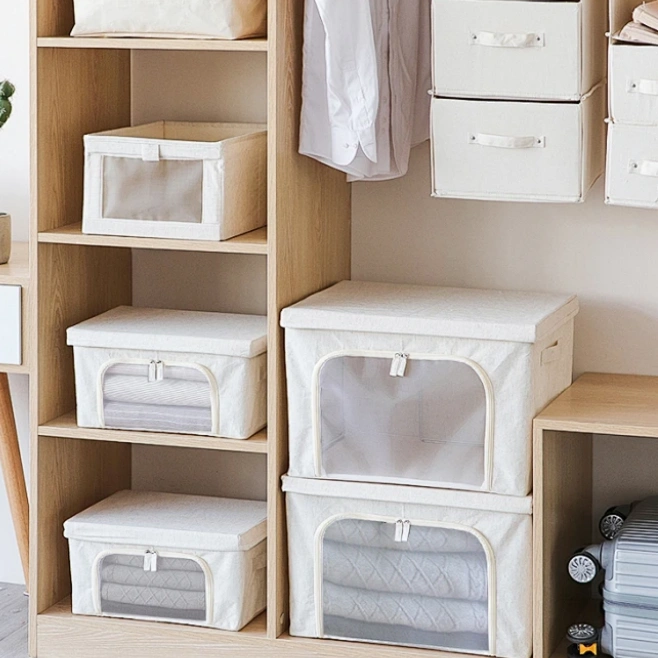
Key Reasons Why Clothes Mould in a Storage Box
Understanding the causes of mould growth is the first step to solving the problem. When
clothes mould in a storage box, it is usually the result of multiple factors interacting, with the
following being the most common:Residual moisture in clothes: This is the primary cause. If
clothes are not completely dried before being placed in a storage box-even if they feel
"slightly damp"-the moisture trapped in the fabric will create a humid environment. Mould thrives
in environments with a humidity of 60% or higher, and the sealed space of a storage box accelerates
moisture accumulation.
Poor ventilation of the storage box: Many low-quality storage boxes on the market lack effective
ventilation design. When the box is fully sealed, air cannot circulate, and the moisture emitted by
clothes cannot escape, forming a "humid greenhouse" that is ideal for mould growth. A professional
storage box manufacturer will add ventilation holes or breathable materials to balance sealing and
ventilation.
Inappropriate storage environment: Placing the storage box in a damp area (such as a basement,
balcony corner, or bathroom) increases the risk of mould. Even if the box itself is moisture-proof,
the surrounding humid air can penetrate through gaps, especially if the storage box's material is not
waterproof.
Contaminated storage box: Reusing a storage box that was previously used to store damp items
(such as wet towels or sports gear) without cleaning and drying it first will leave mould spores inside.
When new clothes are stored, these spores will quickly attach and multiply.
Effective Ways to Prevent Mould in Your Storage Box
As a professional storage box manufacturer, we have accumulated rich experience in moisture
-proof and mould-proof storage. Based on product design and user feedback, the following
methods can effectively prevent clothes from moulding in storage boxes:
Choose a high-quality moisture-proof storage box: The choice of storage box is fundamental.
When purchasing, prioritize products from a reputable storage box manufacturer that explicitly
states moisture-proof and breathable functions. Look for storage boxes made of durable,
waterproof materials (such as food-grade PP plastic) with tight-fitting lids and ventilation holes.
Some premium storage boxes also come with built-in moisture-proof layers, enhancing protection
against dampness.Ensure clothes are 100% dry before storage: Before putting clothes into the
storage box, wash and dry them thoroughly. For thick items like sweaters, down jackets, or quilts,
it is recommended to air them in the sun for 2-3 days to remove residual moisture. For clothes that
cannot be exposed to direct sunlight, use a hair dryer or dehumidifier to dry them completely.
Place moisture-proof agents in the storage box: Adding moisture absorbers (such as silica gel
packets,activated carbon, or camphor balls) to the storage box can absorb excess moisture.
Replace these moisture-proof products every 1-2 months to maintain effectiveness. Note that
camphor balls should be wrapped in cloth to avoid direct contact with clothes, especially
delicate fabrics.Regularly ventilate the storage box: Even if the storage box has ventilation holes,
it is advisable to open the lid every 2-3 weeks to let air circulate. This helps release any trapped
moisture and refresh theinternal environment. For long-term storage, choose a well-ventilated,
dry area to place the storage box, avoiding dark and damp corners.

Useful Tips for Long-Term Clothing Storage with a Storage Box
Long-term storage of clothes (such as seasonal items) requires more careful handling to ensure
they remain in good condition when taken out. Here are some practical tips combined with
storage box use:Classify clothes by fabric and fold them properly: Different fabrics have different
storage requirements. For example, woolen clothes should be folded flat to avoid hanging
(which can cause stretching), while down jackets can be gently pressed to save space. Use
dividers or small storage boxes inside the large storage box to separate different types of clothes,
preventing friction and moisture transfer.
Clean the storage box before use: Whether using a new storage box or reusing an old one, clean it
thoroughly first. Wipe the inside and outside with a dry cloth, and air it in the sun for a day to
eliminate dust and potential mould spores. For storage boxes that were previously mouldy, clean
them with a diluted vinegar solution and dry completely before reuse.
Avoid overpacking the storage box: Overfilling the storage box will compress the clothes, reducing
air circulation between them and making it harder for moisture to dissipate. Leave a small gap when
closing the lid to ensure slight air flow, which helps prevent mould growth.
Use breathable covers for delicate clothes: For expensive or delicate clothes (such as silk,
cashmere), wrap them in breathable cotton or linen bags before placing them in the storage box.
This adds anextra layer of protection against dust and moisture while allowing the fabric to "breathe."
Conclusion
In summary, clothes can go mouldy in a storage box, but this is not an inevitable result-it is mainly
caused by improper use and low-quality storage boxes. As a professional storage box manufacturer,
we emphasize that a high-quality storage box with moisture-proof and breathable functions,
combined with correct storage methods, can effectively avoid mould problems. By choosing the
right storage box, ensuring clothes are completely dry, maintaining ventilation, and using moisture
-proof agents, you can keep your clothes clean, dry, and mould-free even during long-term storage.
Storage boxes are essential tools for a tidy home, and their quality directly affects the safety of
stored items. When selecting a storage box, trust a reliable storage box manufacturer that focuses
on product functionality and quality. A good storage box not only helps you organize space but also
protects your valuables, bringing convenience and peace of mind to your life.

Frequently Asked Questions (FAQs)
Can all storage boxes prevent clothes from moulding?
No. Only storage boxes with moisture-proof, breathable designs (such as those produced by
professional storage box manufacturers) can effectively reduce mould risks. Low-quality,
non-breathable storage boxes may exacerbate mould growth due to poor air circulation.
How often should I replace the moisture-proof agent in the storage box?
It is recommended to replace silica gel packets, activated carbon, or other moisture-proof
products every 1-2 months.If the storage environment is particularly humid, replace them
more frequently (every 2-3 weeks) to ensure moisture absorption effectiveness.
Is it better to use a sealed or breathable storage box for clothes?
The ideal storage box balances sealing and breathability. A professional storage box
manufacturer usually designs products with tight lids to prevent dust and moisture from
entering, plus ventilation holes to allow slight air circulation-avoiding both dust
accumulation and excessive humidity.
Can I store wet clothes in a storage box temporarily?
No. Even temporary storage of wet clothes in a storage box will leave residual moisture,
creating conditions for mould growth. Always dry clothes completely before placing them
in a storage box, regardless of storage duration.
How to remove mould from clothes stored in a storage box?
For light mould spots, soak the clothes in warm water with laundry detergent and white
vinegar for 30 minutes, then wash as usual. For stubborn mould, use a fabric-safe mould
remover (follow product instructions). If the mould is severe or the clothes have a strong
musty smell, it may be difficult to fully restore them, so prevention is key.